Rose Class
Welcome to Rose Class.
Here you can find some updates from our learning as well as resources for continuing the learning at home!
PE Days are on Tuesday & Thursdays.
Please see below for an overview of our curriculum for Summer Term 1 and Home Learning Grids & Resources as well as information about the Zones of Regulation.
Science - Building the Digestive System
This week in science, the children had great fun building their own models of the digestive system. As they built their models, the children learned about the different organs involved in digestion and the important roles they play in breaking down food and absorbing nutrients. It was a hands-on, engaging way to bring their learning to life and deepen their understanding of the human body!
Merry Christmas!...too soon?
Our talented children have been busy getting creative with their Christmas card designs and they’ve loved every minute of it! Each design will be professionally printed and available to order closer to the big day. Get ready to spread some festive cheer with cards made straight from the heart!
Hello! I'm Miss Rose, here is a little bit about me so you can get to know me...
Get to know your Teaching Assistants in Rose Class!
LEARNING ZONE
Spellings will be sent home on Fridays. If your child loses their sheet or is not in to receive it then you can find them below.
In Rose Class this term, we will be learning...
Curriculum Map summer Term 2
Here are the Home Learning Grids and some resources for Summer 2...
PSHE ZONE
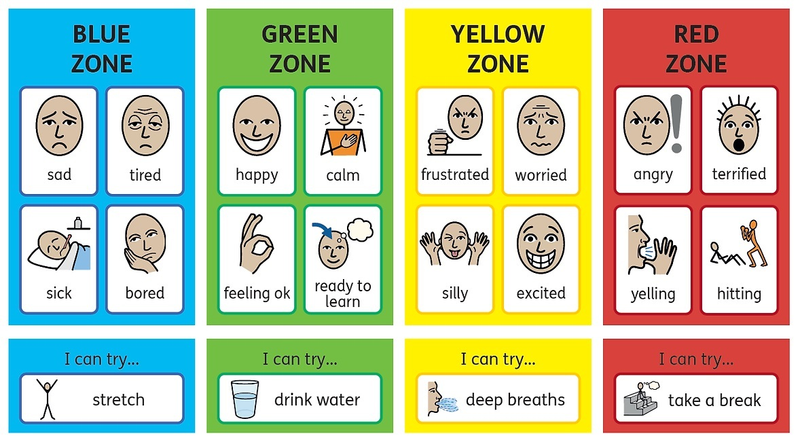
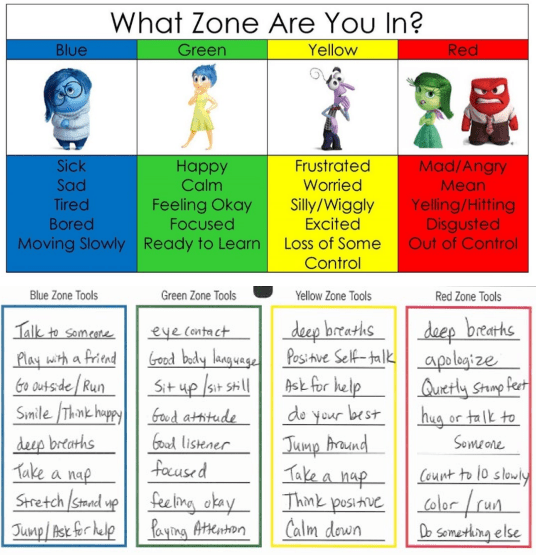
The Zones of Regulation
The Zones of Regulation is a framework that helps children recognize and manage their emotions, energy, and attention so they can be more successful at school and home.
-
The Four Zones
-
Blue Zone: Low states of alertness (sad, tired, bored, sick).
-
Green Zone: Calm, focused, ready to learn (happy, relaxed, content).
-
Yellow Zone: Heightened alertness, but still in control (worried, excited, silly, frustrated).
-
Red Zone: Extremely heightened states of alertness and intense emotions (anger, panic, loss of control).
-
-
How It Works
-
The Zones give children a simple way to talk about how they feel.
-
Once they can identify their zone, they can learn strategies (deep breathing, taking a break, moving their body, talking it out) to manage their feelings and return to the Green Zone when needed.
-
It’s not about labelling feelings as “good” or “bad” – all feelings are normal. The goal is to recognize emotions and use tools to regulate them.
-
-
How Parents Can Help
-
Use the same language at home (“Which Zone are you in right now?”).
-
Normalize all zones by acknowledging that everyone experiences them.
-
Encourage and practice strategies together. For example: “I see you’re in the Yellow Zone—would a walk help you get back to Green?”
-
Model your own self-regulation by sharing your feelings and how you manage them.
-